How To Shoot Smarter
When TV productions have visibility on what is to come and have been given the green light for multiple seasons early on in development, they can make more effective creative and logistical decisions that can minimise the show’s carbon footprint. With this foresight, productions can plan to capture scenes for future episodes or storylines while already set up to shoot for the current season. This smart approach to shooting minimises the need to reassemble crews, revisit locations, and rebuild sets, significantly reducing the impacts on transport, accommodation, and materials.
DVHR Leading By Example
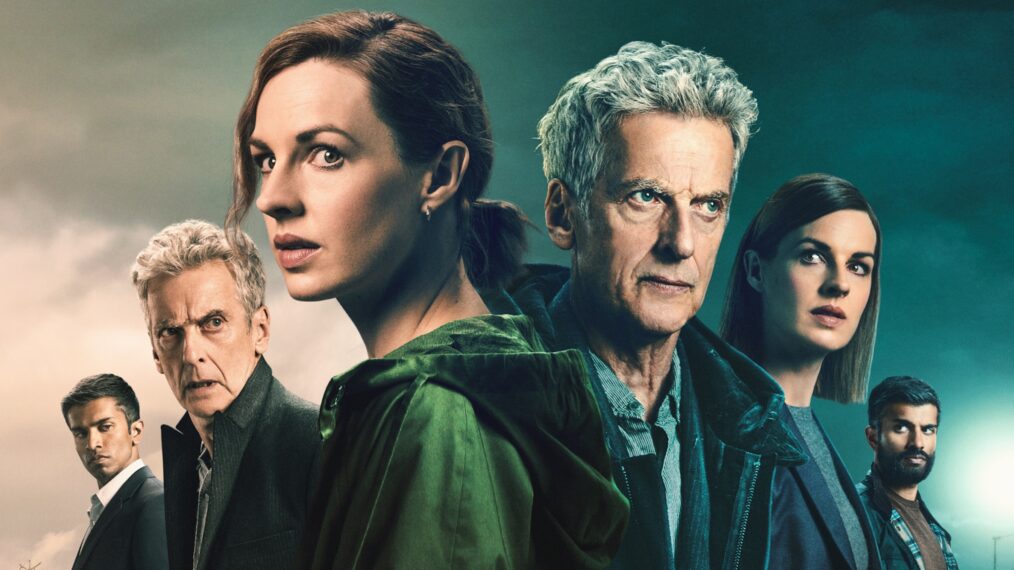
Leading the way with shooting smarter, The Devil’s Hour, a psychological thriller produced by Hartswood Films for Amazon, did just that. The streamer commissioned both Season 2 and 3 simultaneously, giving writer Tom Moran the freedom to plan the full narrative and timeline from the start. Consequently, the team could identify overlapping scenes and film them all at once, regardless of which season they were currently shooting, avoiding the need for additional location moves and setup days in the future.
In this case study, we explore and analyse the real-world impact of this decision using data collected from both Season 2 and 3.
By thinking ahead both creatively and operationally, other productions can also tell their stories more efficiently, saving time, resources, and emissions without compromising on quality or ambition.
Download the case study here: